Introduction
Before we discuss the direction of the iBE platform this year, it’s helpful to look back at our journey.
Our product development has been gradual, starting with the creation of a solid Professional Services Automation (PSA) core. We then expanded our focus on breadth, intelligence, and scale.
We kicked off with the Falcon Release, which established a fast and strong foundation across projects, timesheets, expenses, billing, and core data. This ensured the platform could reliably handle real-world complexity.
With Griffon, we broadened our scope by introducing HR, CRM, sales, ticketing, analytics, and deeper integrations. This changed the platform into a connected business system for the entire enterprise.
Osprey represented a move toward maturity. It added customization, compliance, collaboration, and industry-ready workflows while improving resource planning, contracts, reporting, and user experience.
Harrier deepened our operational capabilities with significant upgrades to CRM and project management. It also introduced new features in procurement, assets, supplier management, and financial controls.
Most recently, Kestrel improved stability, visibility, and control. This ensures the platform can respond quickly as our customers grow.
Throughout the broader Condor releases, we gained new insights. We provided unified analytics, clearer dashboards, and decision-focused experiences that highlight what truly matters. This journey reflects our belief: great platforms are built slowly, through careful and layered development. With this foundation laid, we’re ready to share what comes next.
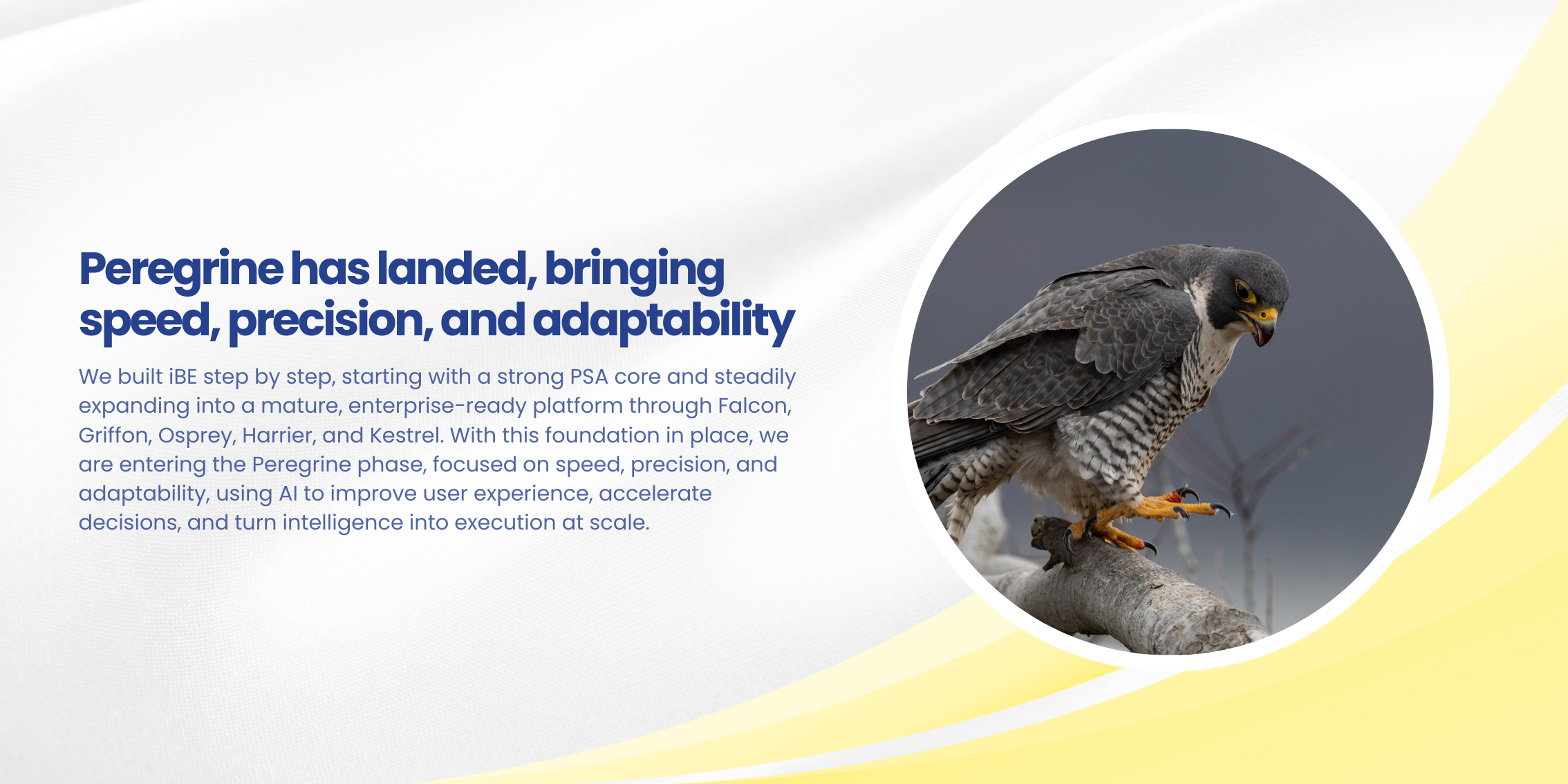
Looking ahead, we’re moving into the next stage of our product journey, which we call Peregrine. Much like the bird, Peregrine focuses on speed, precision, and adaptability in every application on the platform. We are building this phase on a strong AI foundation, using intelligence to support teams. Our goal is to help them make better and faster decisions with confidence.
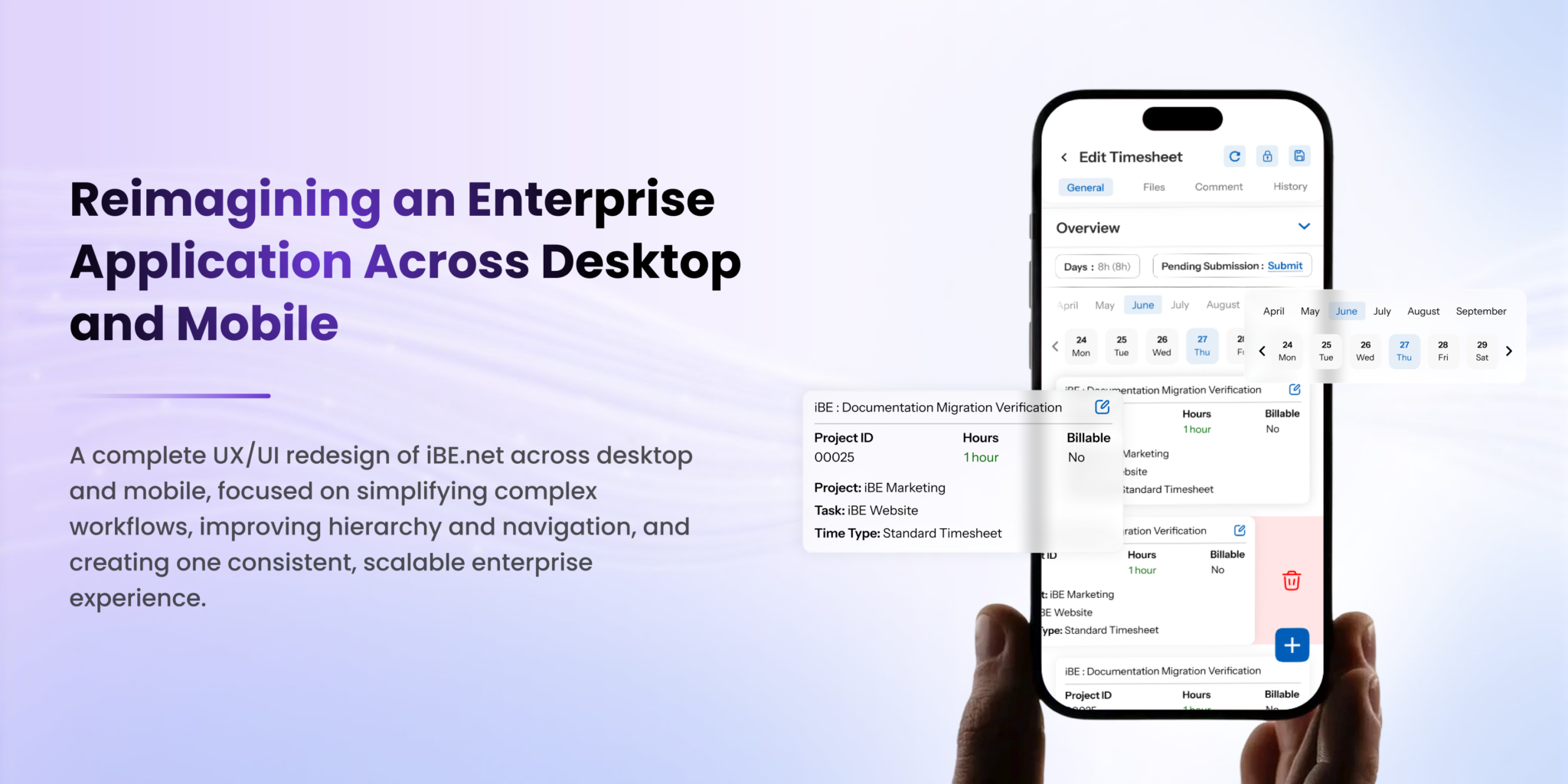
We’re starting by improving the user experience and enhancing security and performance. This will make the platform feel as strong as it truly is.
In CRM, we’re improving estimates and the product catalog, introducing AI-driven sales forecasting, and allowing facility scheduling to help teams close deals more quickly.
For companies that sell products and services, particularly in B2B SaaS, this speeds up the proposal and quoting process significantly.
In delivery, AI agents will help with execution by spotting risks early and guiding better decisions. For IT services, we’re introducing scrum project templates to support better agile delivery. For engineering services, we’re improving facility scheduling and asset management with calibration alerts and integrated inventory visibility. For teams managing services and SaaS businesses, a better ticketing dashboard will help them assist customers more effectively, with improved visibility, prioritization, and control.
We plan to incorporate better resource intelligence, demand forecasting, skills mapping, and training.
We will also ensure the platform remains ready for audits to support better governance, compliance, and sustainability.
Peregrine focuses on moving better, faster and turning intelligence into execution at scale.
A deeper dive in Roadmap for 2026
1. Platform Experience, Security & Performance
Focus: Faster adoption with reliability
We are starting by improving how users interact with the platform daily. We are updating the UI layout to match current design trends. This makes navigation easier and reduces friction in workflows. We are also investing in application security, performance, and scalability; this ensures the platform looks modern and works reliably as customers grow.
This enables
- Faster user onboarding and adoption
- Consistent experience across modules
- Enterprise-grade reliability and security
2. CRM Intelligence
Focus: Close deals faster with confidence
This year our goal is to make CRM evolve from a system that assists Sales Operations to one that predicts and executes. Improvements to opportunity qualification, estimates and product catalogs will make proposals more structured and repeatable. Automatic SOW updates and Contract review will further enhance the proposal process. AI-driven sales forecasting should increase accuracy in pipeline planning. Facility scheduling adds an operational layer to CRM, letting teams check availability earlier in the sales cycle. For companies selling products and services,especially B2B SaaS, this greatly reduces friction in creating proposals, pricing, and quoting.
This will enables
- Faster proposal and quoting cycles
- Improved forecast accuracy
- Better alignment between sales and delivery
3. Delivery & Project Execution Intelligence
Focus: Plan better, execute with fewer surprises
We are building scrum project templates and AI agents. For IT services organizations, scrum project templates offer a structured yet flexible foundation for agile delivery. The aim of AI agents in delivery is not just to automate execution wherever required, but to support better decision-making. AI-driven planning and risk capabilities reveal early signs of issues like sprint overcommitment, schedule and cost risks, and execution anomalies, allowing teams to act before problems escalate. For engineering services, delivery intelligence expands into facility scheduling and asset usage, linking operational realities with project execution.
This will enables
- Early risk visibility
- More predictable delivery outcomes
- Reduced crises during execution
4. Engineering Operations: Assets, Facilities, Calibration and inventory
Focus: Precision in physical operations
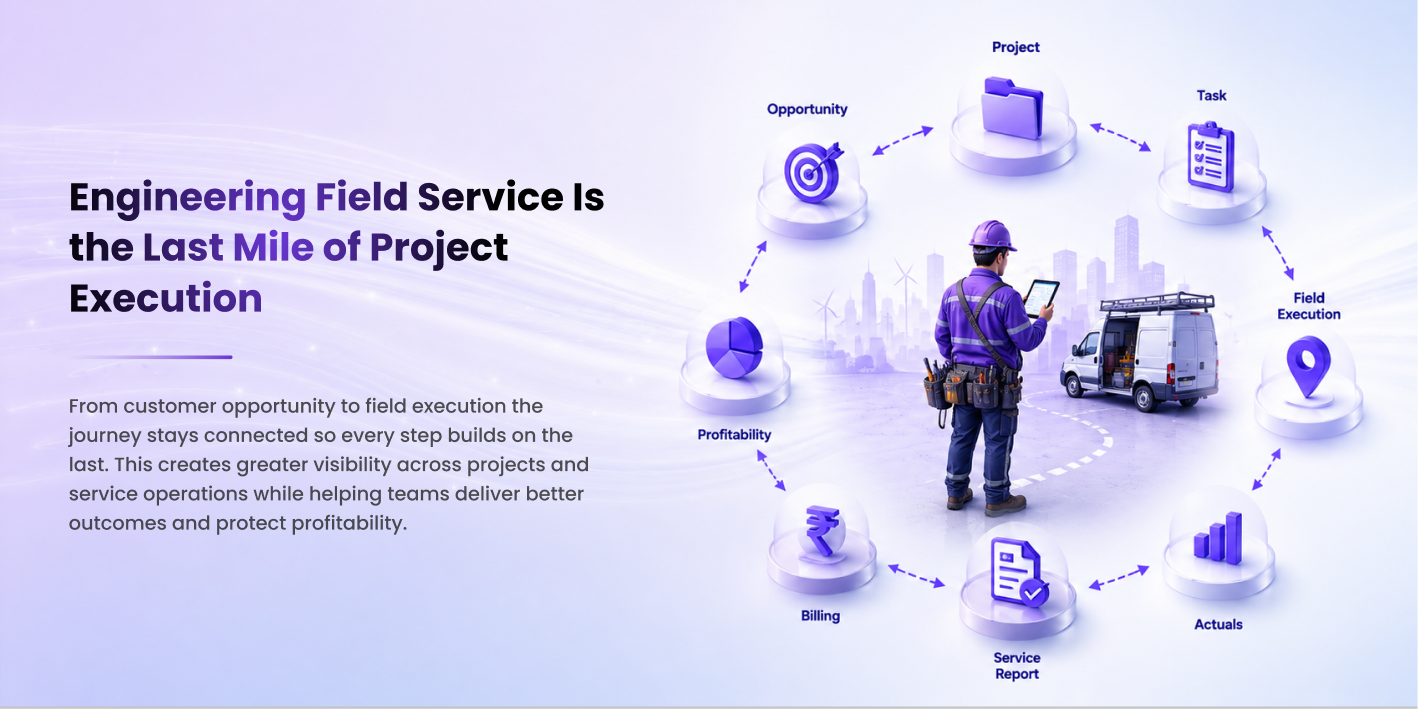
For engineering-driven organizations, we plan to enhance operational control capability through better facility scheduling and asset management. Calibration alerts ensure equipment service and compliance is maintained proactively. Integrated inventory visibility connects assets directly to project and scheduling decisions. These features reduce downtime, improve utilization, and support quality-focused delivery models.
This will enables
- Better asset utilization
- Proactive compliance through calibration alerts
- Tighter connection between assets, inventory, and delivery
5. Managed Services & Customer Support
Focus: Better service visibility and control
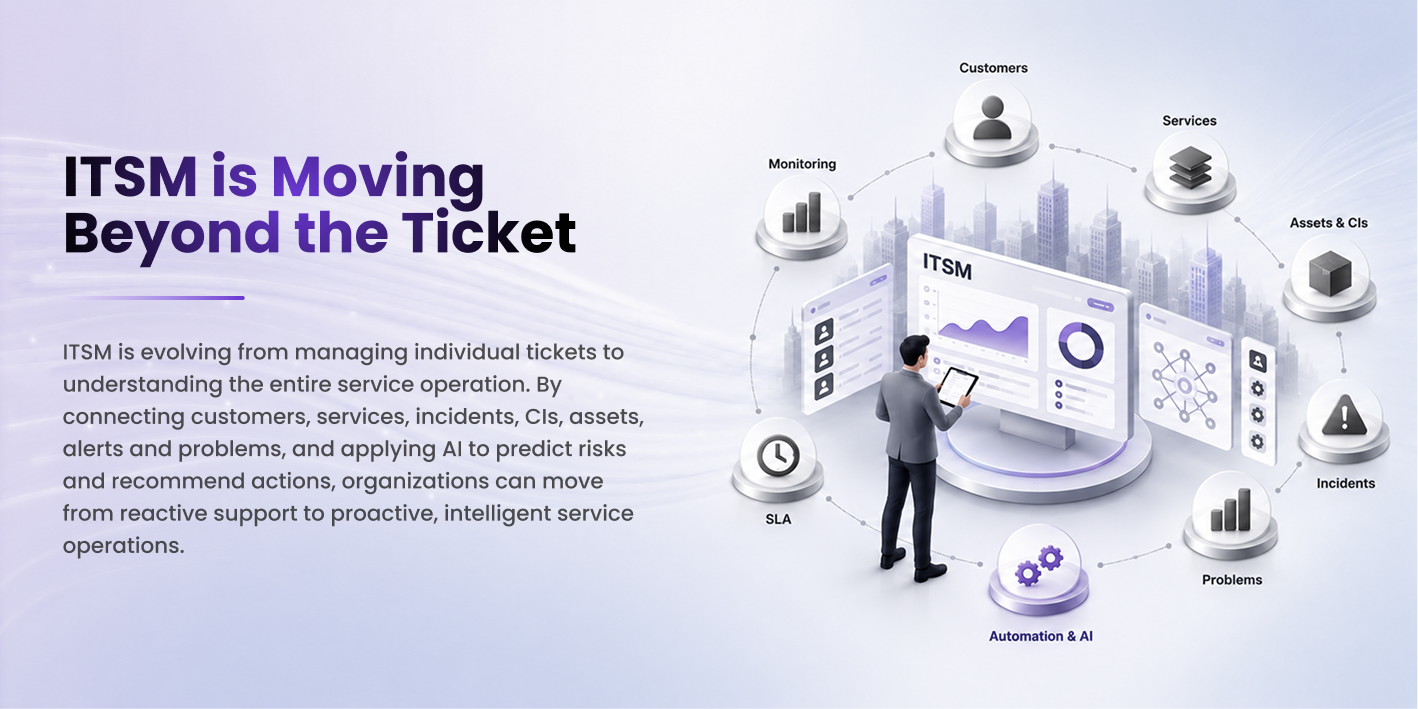
For teams handling managed services and SaaS operations, we are further enhancing our helpdesk feature to enable better customer support through an upgraded ticketing dashboard. This offers clearer visibility into customer issues, better prioritization, and more effective resolution workflows. By linking support data with delivery and CRM context, teams can transition from reactive support to proactive service management. The tickets will also become available for sprint planning for product teams.
This will enables
- Faster issue resolution
- Improved customer experience
- Better prioritization and accountability
6. Resource Intelligence & Workforce Planning
Focus: Right skills, right time, right cost
People are the most critical and limited resources. We will enhance resource intelligence through demand forecasting based on project pipelines, skills mapping to identify capability gaps, and training records to track readiness over time. This will allow organizations to shift from reactive staffing choices to proactive workforce planning.
This enables
- Anticipation of skill and capacity gaps
- Smarter staffing choices
- Better alignment between demand and talent
7. Governance, Compliance & Sustainability
Focus: Scale with trust
As organizations expand, governance becomes essential. The platform will enable audit-ready processes while supporting compliance needs across time, quality, delivery, and operations. Sustainability will also be built-in through ESR reporting, allowing organizations to measure and report impact alongside performance.
This enables
- Audit-ready operations
- Stronger governance and compliance posture
- Measurable sustainability results
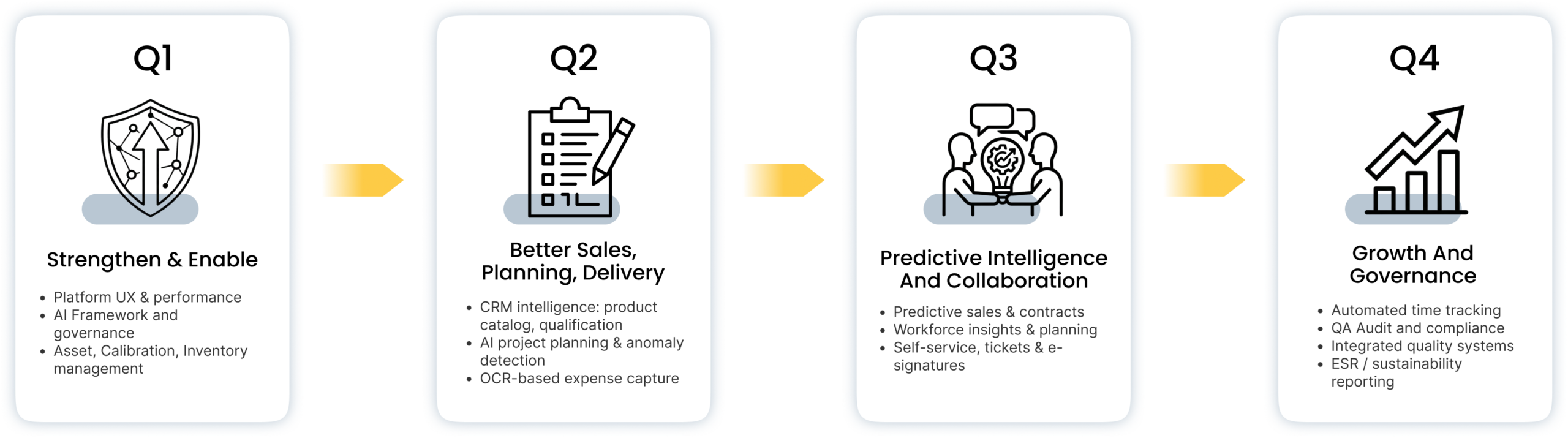
Progressive Value to be delivered every quarter
What it means for our customers
1. Professional Services & IT Services Firms
Consulting, IT Services, Digital Services
Key Challenges
- Unpredictable delivery timelines
- Margin loss due to poor visibility
- Resource planning based on guesswork
Peregrine Value
- AI-assisted project planning and early risk detection lower delivery surprises
- Scrum project templates support structured agile delivery Demand forecasting and skills mapping improve utilization and staffing accuracy
- Automated time, expense, and audit-ready workflows protect margins
Outcome
More predictable delivery, healthier margins, and better utilization without adding operational overhead.
2. Engineering, & Metrology Firms
Calibration labs, testing services, engineering services
Key Challenges
- Slow proposals
- Asset downtime and calibration risk
- Pressure to comply and complicated audits
- Disconnected scheduling, inventory, and delivery
Peregrine Value
- Improved facility scheduling and asset management linked to delivery plans
- Facility scheduling confirms delivery feasibility during sales
- Calibration alerts and inventory visibility reduce compliance risk Quality audits and audit-ready records simplify regulatory requirements
Outcome
Higher asset utilization, proactive compliance, and precise delivery without manual tracking.
3. SaaS & B2B Product Companies
Product + Services, Managed Services, Support-heavy teams
Key Challenges
- Slow proposals
- Slow proposal and quoting cycles
- Disconnected sales, delivery, and support data
- Reactive customer support
Peregrine Value
- AI-driven sales forecasting, estimates, and product catalogs speed up deal closure
- Self-serve client portals improve transparency
- Ticketing dashboards strengthen customer support and service agreements
Outcome
Faster deal cycles, smoother onboarding, and a more consistent customer experience across sales, delivery, and support.
4. Managed Services
Providers IT operations, support-driven businesses
Key Challenges
- High ticket volumes with poor prioritization
- Limited visibility into customer issues
- Difficulty scaling support operations
Peregrine Value
- Unified ticketing dashboards with better visibility and control
- AI insights linked to delivery and customer relationship management context I
- Improved prioritization and accountability
Outcome
Faster resolution times, improved customer satisfaction, and scalable service operations
5. Mid-Market Enterprises (Scaling Organizations)
50–1000 employees, growing complexity
Key Challenges
- Systems that don’t scale with growth
- Manual processes slow teams down
- Governance gaps as operations expand
Peregrine Value
- Modern interface and performance improvements drive faster adoption
- AI supports planning and execution without adding complexity
- Built-in governance, compliance, and sustainability reporting
Outcome
Enterprise-grade control with mid-market simplicity—scale confidently without over-engineering.
6. Leadership & Executives
CEOs, COOs, CFOs
Predictability
- Control
- Confidence in decisions
Peregrine Value
- AI acts as a decision-support system, not a mystery
- Unified visibility across revenue, delivery, people, and compliance
- Audit-ready, sustainable operations
Outcome
Faster decisions with fewer surprises—and confidence as the business scales.
In Summary
With Peregrine, our goal is to enable our clients to move faster while maintaining control. We will focus on strengthening operational excellence for all teams, based on the specific needs of each industry we serve. By blending a solid AI foundation with careful platform design, strong operational skills, and built-in governance, Peregrine is ready to transform intelligence into execution at scale.
Stay tuned as we continue this journey and share more updates along the way.